
The Post-Holiday Crash: Why It Happens
After the excitement of the holidays, many parents notice their children “crashing” – sudden meltdowns, clinginess, or cranky behavior. If your normally well-behaved kid is now throwing tantrums over trivial things, you are not alone. The post-holiday struggle is a real phenomenon, and it’s not because kids are ungrateful or “bad.” It happens because the holiday season can throw a child’s nervous system completely out of balance. In other words, what looks like misbehavior is often a child’s body and brain overwhelmed by stress (not a lack of discipline or parenting). Understanding the physiological and emotional reasons behind this can help you respond with empathy and effective solutions.
Why the Holidays Disrupt Kids’ Nervous Systems
Bright lights, crowded gatherings, sugary treats, and jam-packed schedules — the holiday whirlwind can overload a child’s senses and routines, leaving their nervous system overwhelmed. Rather than simple “overexcitement,” this is a measurable stress response in a child’s body. Changes during the holidays create a cascade of stressors that accumulate in a child’s nervous system. Pediatric experts sometimes refer to this cumulative strain as allostatic load — essentially, the wear and tear on the body when stress keeps adding up without enough recovery. Here are some of the biggest holiday stressors that fill up a child’s “stress bucket” until it overflows:
- Disrupted Routines: During the holidays, the usual structure (school, regular meal times, bedtimes) often gets upended. Late-night festivities and travel can throw off kids’ schedules, affecting their sleep and meal routines. This loss of predictability makes children feel insecure and ungrounded. Young brains thrive on routine; when it disappears, their stress response ramps up.
- Sleep Schedule Upset: Along with routine changes comes missed sleep. Exciting events and travel often mean later bedtimes or irregular naps, and kids may sleep in unfamiliar beds or time zones. Inadequate sleep directly affects a child’s mood and behavior. One pediatric psychologist noted that keeping a consistent bedtime is crucial, but the busy holiday season makes this challenging. A few nights of poor sleep can leave a child’s nervous system in “red alert” mode, leading to more emotional outbursts.
- Overstimulation & Sensory Overload: The holidays are a sensory explosion — twinkling lights, loud music, crowded rooms filled with relatives. For a child, especially one with sensory sensitivities, this can be too much input for their nervous system to handle. Imagine blinking lights and constant noise bombarding a brain that’s still developing self-regulation. It’s no wonder many kids have more meltdowns during big family parties. In fact, what might seem like a child acting out due to “too much sugar” or excitement is often their brain struggling with sensory flooding. The Child Mind Institute notes that for some kids (like those with sensory processing differences), holiday stimuli that are fun for adults can feel overwhelming rather than joyful.
- Holiday Diet (Sugar Overload & Irregular Eating): Candy, cookies, big holiday meals — children’s diets tend to change over the holidays. They consume more sugary treats and rich foods than usual, and often eat at odd times. This can wreak havoc on their blood sugar and gut, which in turn affects mood and energy. Sudden spikes and crashes in blood sugar may leave kids irritable or hyper, then exhausted. According to the American Academy of Pediatrics, missed naps combined with sugary snacks can push kids toward overstimulation and meltdowns. In short, a holiday diet can dysregulate their little bodies, contributing to post-holiday crankiness.
- Excess Screen Time and Sedentary Days: Over winter break, normal school and play routines are replaced with downtime — and often more TV, video games, or tablet time. It’s common for kids to binge on new video games or holiday movies. Unfortunately, excessive screen time (especially if it replaces physical activity) can dysregulate the nervous system. Screen media can overstimulate the brain and also interfere with sleep patterns (the blue light from screens signals the brain to stay alert). Health experts recommend limiting screens, noting that too much screen time during holiday breaks can lead to “wired” kids who have a hard time calming down, as well as trouble with sleep at night.
- Constant Excitement and Emotional Overload: Holidays come with big emotions. The anticipation of gifts, the excitement of seeing cousins or Santa, the chaos of travel — even positive excitement is still stress on the nervous system (the body doesn’t distinguish “good” stress from “bad” stress very well). Kids spend days in a revved-up state of adrenaline. Once the excitement is over, there’s often a rebound effect — like an emotional hangover. They might feel let down that the fun is over, or overwhelmed by all the new toys and experiences they just had. Young children especially can’t verbalize this, so it comes out as crankiness or clinginess. As one parenting coach put it, “Even good experiences require emotional processing and regulation. Your kid’s nervous system doesn’t know the difference — excitement is still dysregulation.”
- Social Pressure & Busy Schedules: Holidays often involve big family gatherings, new social situations, or being passed around to “give Grandma a hug.” For some kids, especially shy or neurodivergent children, these social demands are very stressful. They have to use a lot of energy to “be good” or behave in unfamiliar settings. Holiday schedules can also be jam-packed — visiting multiple houses, long car rides, events — leaving kids little downtime. Overpacked days with no breaks can overwhelm a child. They may hold it together in public and then explode with pent-up stress when they get home (the classic after-party meltdown).
- Absorbing Adults’ Stress: Kids soak up their parents’ and caregivers’ stress. The holidays can be stressful for adults (planning, finances, cooking, travel logistics). Even if you try to hide it, your child’s nervous system is remarkably tuned in to yours. Research shows that children literally synchronize with caregiver stress via hormonal and autonomic nervous system signals. During hectic holiday times, if you’re anxious or overwhelmed, your child’s body perceives that. One national poll found that 1 in 5 parents admitted their own stress levels negatively affected their child’s enjoyment of the season. The result? A child who is extra edgy or emotional, partly because they’re “catching” the stress vibe from the household. As trauma expert Dr. Bruce Perry bluntly states: “A dysregulated adult will never regulate a dysregulated child.”
All these factors stack together. By the end of the holiday season, your child’s nervous system has taken on a lot of extra load. Think of it like a bucket that’s been filled drip by drip with excitement, sugar, fatigue, noise, and emotion — eventually it overflows. When that stress bucket overflows, we see dysregulation: big emotions and behaviors that signal a child is overwhelmed.
Signs of Post-Holiday Dysregulation in Kids
How can you tell if your child’s post-holiday chaos is due to a dysregulated nervous system? Here are common symptoms parents report:
- Frequent Meltdowns or Tantrums: Sudden tears or explosive outbursts over minor frustrations. Small issues trigger big emotions because their stress bucket is full.
- Irritability and Mood Swings: Kids may seem “on edge,” shifting quickly from laughter to tears. Disrupted routines and overstimulation amplify mood swings.
- Clinginess and Separation Anxiety: After constant togetherness, some kids struggle with separation when routines resume.
- Regression in Behaviors: Potty accidents, baby talk, thumb-sucking, or other younger behaviors may reappear as kids seek comfort.
- Defiance and Oppositional Behavior: After holiday leniency and excitement, kids may resist rules or push boundaries as they struggle to settle back into structure.
- Trouble Sleeping: Difficulty falling asleep, night waking, or nightmares — signs their nervous system is still in high alert.
- Anxiety or Worries: Concerns about returning to school, new fears, or physical complaints like stomach aches that stem from stress.
- Difficulty Transitioning Back to Routine: Resistance to school, chores, or normal expectations as their brain shifts out of “vacation mode.”
These behaviors are common and temporary. They signal an overstressed nervous system that needs support, not punishment.
Nervous System Dysregulation: Not “Bad Behavior” After All
Kids aren’t choosing to misbehave — their physiology is overwhelmed. A dysregulated child is stuck in survival mode, where even small challenges feel threatening. Their stress response is turned up too high.
Harvard child development experts compare self-regulation to an air traffic control system in the brain. When too many “planes” (stressors) come in at once, the system struggles.
Physiologically, holiday stress leads to:
- Overactivation of the sympathetic nervous system (fight-or-flight)
- Reduced heart rate variability (HRV) — a marker of stress
- Elevated stress hormones
- Overactive emotional centers like the amygdala
Kids can’t “behave better” when their nervous system is overwhelmed. Their self-regulation skills are still developing, and they rely heavily on external supports like routine and calm adults.
They also co-regulate with caregivers — meaning your stress becomes their stress. A calm adult helps calm a child; a dysregulated adult amplifies dysregulation.
How to Reset Your Child’s Nervous System After the Holidays
Here are practical, research-backed steps to help your child re-regulate:
- Re-establish Gentle Routines: Bring back predictable rhythms for meals, sleep, and daily activities. Even one consistent ritual can anchor their nervous system.
- Prioritize Sleep: Reinforce calming bedtime routines and gradually shift schedules back to normal. Protect sleep by keeping bedrooms dark, cool, and screen-free.
- Slow Down & Schedule Downtime: Kids need quiet, unstructured time to decompress. Low-stimulation activities help their nervous system return to baseline.
- Get Outside & Get Moving: Daily physical activity burns off stress hormones and boosts mood. Even 10 minutes of movement can help.
- Rebalance Nutrition & Hydration: Shift back to regular meals, protein-rich breakfasts, and plenty of water. Stabilizing blood sugar stabilizes mood.
- Limit Screen Time: Especially before bed. Replace some screen time with physical play or family activities.
- Offer Sensory Comforts: Warm baths, weighted blankets, soft lighting, deep breathing, and calming sensory play all activate the parasympathetic system.
- Connect & Talk About Feelings: Validate their emotions about the holidays ending or school resuming. Feeling heard reduces stress.
- Stay Calm & Co-Regulate: Your calm presence is one of the most powerful regulators of your child’s nervous system.
- Consider Professional Support: Pediatric chiropractic, OT, counseling, or pediatrician guidance can help if challenges persist.
Nurturing a Smooth Reset (And When to Reach Out for Help)
Most kids recalibrate within a week or two. Celebrate small wins and be patient with setbacks. Take care of yourself, too — your regulation supports theirs.
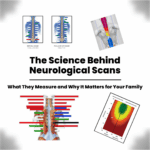
If you’re near Elburn, IL, Vital Wellness Center offers Insight™ neurological scans and pediatric-focused care to help families restore balance.
Post-holiday struggles are common and fixable. Your child isn’t giving you a hard time — their nervous system is asking for support. With gentle routines, rest, connection, and (if needed) professional help, your child can return to a calm, joyful state.