
You’re exhausted, worried, and torn. Every expert around you seems eager to label your child – ADHD, Sensory Processing Disorder, anxiety – and suggest a prescription. In your gut, though, you sense something deeper is going on. Before accepting a diagnosis or medication as the only answer, it’s worth taking a step back.
What if those challenging behaviors and big emotions are signals from your child’s nervous system, rather than just symptoms of a disorder?
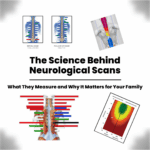
In this post, we’ll explore the current culture of quick labels and meds, why so many kids are misdiagnosed or misunderstood, and how a neurological-first approach can uncover the real story. We’ll introduce you to INSiGHT™ scans (sEMG, Thermography, HRV) – a safe, gentle way to see what’s happening inside your child’s nervous system before the label and medication.
Let’s dive into a new perspective that’s root-cause curious, calmly countercultural, and full of hope for you and your child.
The Over-Labeling Landscape: Why Every Kid Seems to Have a Diagnosis
- 1 in 9 children in the U.S. have been diagnosed with ADHD – over 7 million kids.
- 1 million new ADHD diagnoses were added between 2016 and 2022.
- 11% of children are diagnosed with an anxiety condition.
- SPD affects 5–15% of kids.
- Nearly 1 in 5 children have some type of mental, emotional, or behavioral condition by their teens.
👉 Many diagnoses are swiftly followed by medication. Depending on the state, 38%–81% of kids diagnosed with ADHD are medicated.
While medicine can help some, over-labeling creates stigma, side effects, and a damaging identity shift for children.
Misdiagnosed or Misunderstood: Looking Beyond the Behavior
- Many symptoms overlap across ADHD, anxiety, SPD, and trauma.
- Quick checklists and short visits often replace deeper evaluation.
- Misdiagnosis can lead to worse school performance and behavior.
Kids don’t need a harsher punishment or a quick diagnosis—they need someone to decode what their body is trying to communicate.
What a Dysregulated Nervous System Looks Like (in Everyday Life)
Signs include:
- Frequent meltdowns over small things
- Sensory sensitivities or cravings
- Trouble with focus and impulse control
- Sleep problems & mysterious headaches/stomachaches
- Emotional extremes or “immature” responses
These symptoms often point to a nervous system stuck in fight-or-flight or shutdown mode.
A Window Inside: How INSiGHT™ Scans Reveal Hidden Stress
Three technologies used:
- Surface Electromyography (sEMG) – measures muscle energy output.
- Thermography (neuroThermal scan) – detects temperature variations along the spine.
- Heart Rate Variability (HRV) – measures adaptability and resilience of the nervous system.
Scans are non-invasive, quick, and kid-friendly—making the invisible visible.
From Chaos to Calm: How Chiropractic Brings the Nervous System Back in Balance
- Gentle chiropractic adjustments target subluxations (“traffic jams” in the nervous system).
- Adjustments reduce interference, allowing the nervous system to regulate.
- Benefits parents commonly report:
- Better focus and attention
- Deeper, more restful sleep
- Fewer and milder meltdowns
- Improved sensory processing
- Easier transitions and flexibility
- Greater emotional resilience and social ease
From Labels to Hope: Your Child’s Story Isn’t Written Yet
ADHD, SPD, anxiety—those letters are not the sum of who your child is.
By starting with neurological root-cause care, families often find:
- Children thrive without unnecessary labels.
- Parents gain confidence and real answers.
- Families experience peace and joy in daily life again.
Ready for Real Answers
Schedule an INSiGHT nervous system scan at Vital Wellness Center (Elburn, IL) and meet with pediatric chiropractic experts.
- No obligation, no pressure—just clarity and direction.
- Your child deserves to be seen, heard, and helped at the root cause.
- Let’s write the next chapter together: one of healing, resilience, and relief.
📌 Sources: CDC reports, pediatric neurological research, chiropractic outcomes studies.