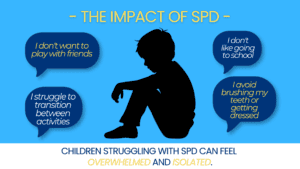

You did everything right. You scheduled the sessions, studied the strategies, and kept up with the follow-through. Your child might even show progress inside the quiet therapy room, but the second you get home, daily life becomes completely overwhelming again.
That gap is not a failure of your love, effort, or parenting. It happens when we try to change a child’s behavior without checking to see if their nervous system feels safe first.
Behavioral therapies like CBT or ABA have plenty of research behind them. They teach excellent, valuable coping skills. But here is the catch: the nervous system has absolute veto power over everything.
If a child’s internal gas pedal is stuck down and their neurological brakes are broken, no amount of behavioral training will unstick those pedals. Skills learned in a low-sensory, predictable therapy office vanish at home because the child’s body cannot access the tools they were taught. The brain is too busy protecting to focus on learning.
The Physical Reality Beneath The Behavior
When the foundation of nervous system regulation is missing, behavioral therapy turns into just another demand a struggling child cannot meet. A therapist might label a meltdown as noncompliance. As a parent, you see your child drowning. Both of you are watching a nervous system stuck in a survival loop that blocks the brain’s learning centers.
This is a physical reality, not a psychological choice. It traces back to what I call the Neuro Storm, a combination of physical, chemical, and emotional stressors that accumulate during pregnancy, birth, and early infancy. Birth interventions like forceps, vacuums, or emergency C-sections can create physical stress right at the top of the neck, altering sensory input to the developing brain.
When these early stressors pile up, they shift the autonomic nervous system into a permanent fight-or-flight state known as sympathetic dominance. The system gets stuck there. This is why some kids bounce back from modern stress while others end up wound up and worn out.
Why You Can’t Talk A Stuck System Into Unsticking
We track these internal stress states using Heart Rate Variability technology. Kids facing chronic behavioral, sensory, or learning challenges consistently show low HRV scores. Low HRV means the nervous system has almost zero margin for error. Tiny daily changes create massive behavioral responses because the child is living on the edge of neurological exhaustion.
To make matters more complicated, this chronic stress alters the gut-brain axis. The vagus nerve is the main communication highway connecting the brain and the digestive system. When sympathetic stress shuts down gut motility and drives inflammation, the gut sends continuous distress signals back up to the brain. These molecules cause real changes in mood, focus, and emotional regulation.
Traditional behavioral therapy relies entirely on what can be observed on the outside. Did the meltdowns decrease? Is the child sitting still? Those are important goals, but they are surface-level symptoms, not direct measurements of brain-body communication.
Getting The Batting Order Right
If your child’s nervous system is stuck in an overactive, defensive loop, trying to fix behavior first is like trying to fix the roof of a house while the foundation is actively sliding down a hill. We have to look at the developmental batting order.
At Vital Wellness Center, we start by mapping out exactly where your child’s nervous system is storing stress. I do not guess, I test. We use non-invasive Neurological Scans to measure subluxation patterns, sympathetic dominance, and vagus nerve function.
Once we locate where the communication is blocked, we use gentle, precise chiropractic adjustments to release that stuck tension. This care activates the parasympathetic nerve pathways, the built-in brake pedal that allows the body to rest, digest, and regulate.
When you calm the internal storm and help the nervous system feel genuinely safe, everything changes. The brain can finally step out of survival mode and step into growth mode. Suddenly, the strategies from your behavioral therapist start to click. The dietary changes actually work. The coping mechanisms stick because the brain has the physical capacity to process them.
True healing takes time, consistency, and a plan tailored to your child’s specific history. If you feel like you have tried every therapy under the sun and are still hitting a wall, it is time to look deeper at the neurological engine driving the behavior. Let us find the real answers together. Schedule your INSIGHT scan today. Summer special of $49!